Marks open doors, but confidence, teamwork and resilience decide how far a child walks through them. That is why parents increasingly ask about extracurricular activities in schools in Noida when they compare options. The cricket match, the stage performance and the debate competition often teach lessons a textbook cannot.
This guide explains why activities matter, which ones build which skills, and what to look for in a school’s programme.
What Are Extracurricular and Co-Curricular Activities?
The two terms are often used together, but there is a small difference.
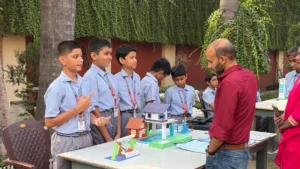
- Co-curricular activities link directly to classroom learning. Examples include science exhibitions, debates, quizzes and projects.
- Extracurricular activities sit outside the syllabus. Examples include sports, music, dance, art and clubs.
CBSE treats both as part of co-curricular education, and schools grade students on these areas alongside academics. Together, they support holistic development: the growth of the whole child, not just the scorecard.
Why Extracurricular Activities Matter for Students
Physical Development
Regular sport builds strength, stamina, coordination and healthy habits. With more screen time than ever, structured sports education gives children a daily reason to move. Active children also tend to sleep better and focus better in class.
Mental Development and Well-Being
Activities give children a break from academic pressure. Music, art and sport lower stress and help children manage emotions. Learning a new skill, such as skating or a musical instrument, also builds patience and concentration, which supports mental development.
Student Confidence
Performing on stage, scoring a goal or presenting a project teaches children that effort leads to results. Each small success builds student confidence that carries into the classroom, interviews and later life.
Teamwork and Leadership Skills
Team sports and group projects teach children to cooperate, share credit and handle defeat. Captaining a team or leading a house event builds leadership skills early. These are the soft skills employers and universities value most.
Student Personality Development
Activities help children discover who they are. A shy child may find a voice in drama; a restless one may find focus in taekwondo. This kind of student personality development rarely happens through academics alone.
Best School Activities for Students, by Skill
Not every child needs every activity. Use this table to match the best school activities for students to the skills you want to build.
| Activity | Skills it builds | Suits children who |
| Team sports (cricket, basketball, volleyball, kabaddi) | Teamwork, fitness, discipline | Enjoy group play and competition |
| Individual sports (skating, taekwondo) | Focus, self-discipline, balance | Prefer personal goals and steady progress |
| Music and dance | Rhythm, memory, expression, confidence | Love performing or listening |
| Art and craft | Creativity, fine motor skills, patience | Think visually and like making things |
| Public speaking and debate | Communication, reasoning, confidence | Like ideas, stories and discussion |
| Yoga and wellness | Calm, flexibility, self-awareness | Need balance and stress relief |
How NIPS Builds Confident Students Through Activities
At NIPS, a CBSE school in Sector 11, Noida, activities are part of everyday school life, not optional extras. Here is what the school offers.
Sports Education
NIPS has an expansive playground and an indoor sports room. Students receive training in volleyball, basketball, kabaddi, skating and taekwondo, with cricket offered through hobby classes. For parents comparing schools with sports facilities in Noida, these are worth seeing in person.
Music and Dance
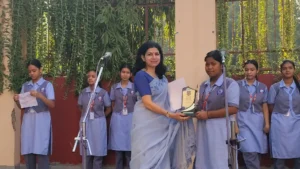
NIPS believes arts-based education builds discipline, collaboration and resilience. Students learn music and dance through creation and performance, with regular opportunities to take the stage.
Creative Activities
Art and craft classes encourage children to experiment with colour, shape and material. These creative activities build fine motor skills in younger children and design thinking in older ones.
Public Speaking and Performance
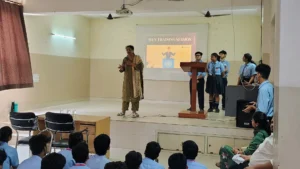
Public speaking is taught as a hobby class, and secondary students take part in debates, contests, projects and presentations. These help children think on their feet and express ideas clearly.
Events, Celebrations and Learning Beyond the Classroom
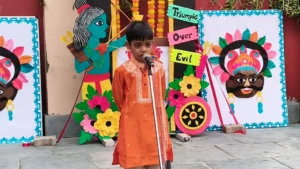
The school marks occasions such as Independence Day, Earth Day, Friendship Day and International Yoga Day. Each year ends with an excursion, alongside educational day trips and exchange programmes. A school counsellor supports students’ emotional needs throughout.
You can see this in practice on the Life at NIPS page and in the school’s student achievements. For families searching for extracurricular activities in Sector 11 Noida, NIPS combines these programmes with a full CBSE curriculum on one campus.
What to Look for in a School’s Activity Programme
When comparing schools with activity programmes in Noida, ask:
- Is it in the timetable? Activities should have regular periods, not just occasional events.
- Who teaches it? Look for trained coaches and specialist music, dance and art teachers.
- Does every child take part? A good programme includes beginners, not just the stars.
- What facilities exist? Check the playground, indoor sports room and performance space.
- Is there a cost? Ask which activities are included in the fee and which are paid extras.
- How is progress shared? Co-scholastic grades and showcases help parents follow growth.
If you are still shortlisting sports schools in Noida or broader options, read our guide on how to choose a school in Noida.
Balancing Academics and Activities
Parents sometimes worry that activities take time away from studies. In practice, the reverse is often true. Children who play sport or learn music usually manage their time better and return to study refreshed.
The key is balance. Choose one or two activities your child genuinely enjoys rather than filling every evening. Watch for signs of tiredness, and adjust before board exam years.
Conclusion
Extracurricular activities shape confident, healthy and well-rounded young people. They build the teamwork, leadership and creativity that marks alone cannot measure. When you visit a school, look beyond the classroom: the playground, the music room and the stage tell you a lot about how children grow there.
Looking for schools with co-curricular activities in Noida? Book a campus visit at NIPS to see students in action. Call +91-93113-37153 or 0120 311 3125, or email admission@nipsnoida.com.
Frequently Asked Questions
1. Why are extracurricular activities important in schools?
They support holistic development. Sports build physical health, arts build creativity, and team activities build communication, teamwork and leadership skills. Together, they raise student confidence in ways academics alone cannot.
2. Do extracurricular activities affect academic performance?
Usually in a positive way. Activities improve focus, time management and stress control, which helps children study better. The key is balance, choosing one or two activities a child enjoys rather than overloading the timetable.
3. What is the difference between co-curricular and extracurricular activities?
Co-curricular activities link to the syllabus, such as debates, quizzes and science exhibitions. Extracurricular activities sit outside it, such as sports, music, dance and art. CBSE schools assess both under co-scholastic areas.
4. Which activities does NIPS Noida offer?
NIPS offers volleyball, basketball, kabaddi, skating, taekwondo and cricket, along with music, dance, art and craft, and public speaking. Students also take part in debates, celebrations, excursions and educational trips. See the NIPS campus facilities for details.
5. How do I choose a school with good extracurricular activities in Noida?
Check whether activities are in the timetable, who teaches them, what facilities exist and whether every child can join. Visit during school hours to see students in action. To see NIPS in person, contact the school to arrange a visit.